PORTARIA
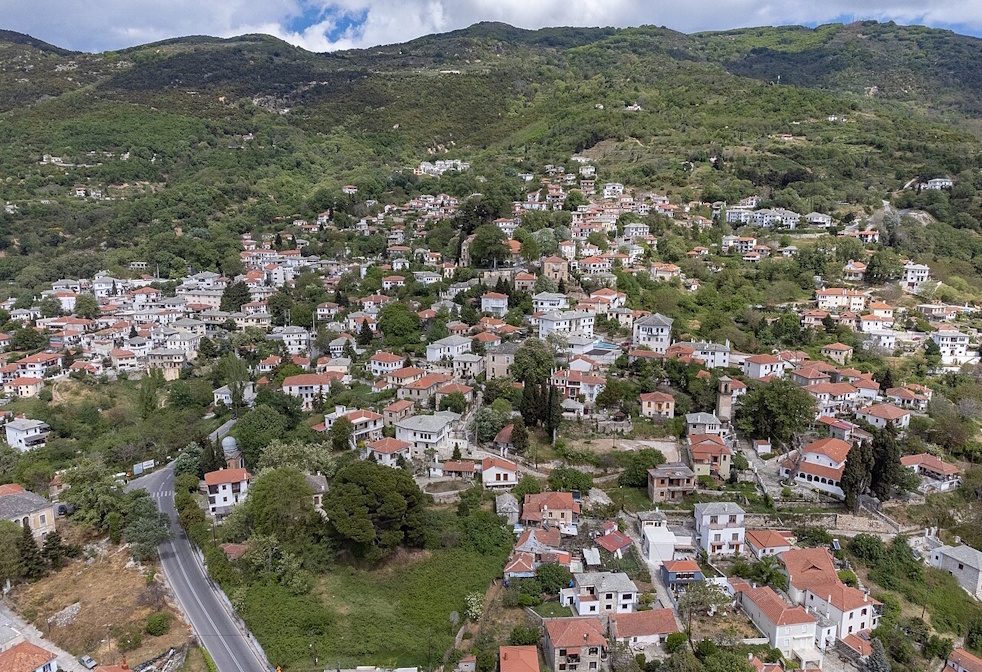
Portaria is a traditional settlement in the Prefecture of Magnesia, built on the western slopes of Mount Pelion, north of Volos. It serves as a major local hub, having experienced significant development in the past; today, it maintains its population largely thanks to tourism-related businesses. A distinctive feature of Portaria is its large mansions, characterized by the Thessalo-Macedonian architectural style and stone-slab roofing. Most of these have now been renovated and operate as guesthouses. Administratively, Portaria belongs to the Municipality of Volos; according to the 2021 census, it has a population of 488 inhabitants, compared to 552 in the 2011 census.
 |
 |
Left: Portaria
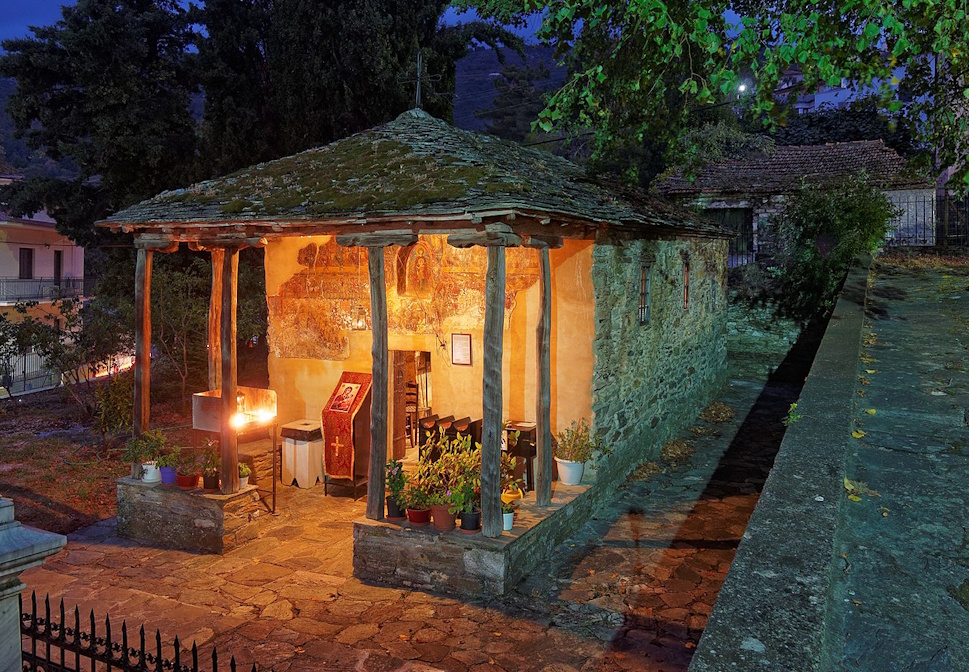
Right: Panagia Portarea
Historical information
The original settlement in the Portaria area was established during the Slavic migrations into the Greek lands. The settlement founded at that time is referred to in Byzantine-era documents by the name Dryanouvaina.Towards the end of the Byzantine period, monasteries were established in the area; most of these were founded in the late 13th century by Nikolaos Maliasinos, the local ruler of Demetrias, together with his wife, Anna. One of the monasteries founded at that time was the Monastery of Panagia Portarea, from which—according to the prevailing view—Portaria derives its current name. During the period of Ottoman rule, it was known as Portaria.
During the period of Ottoman rule, the Pelion region saw significant population growth as people sought refuge there from lower-lying areas. By the 18th century, Portaria had developed into a major local commercial and artisanal hub; this era of prosperity is reflected in its grand mansions, many of which still stand today. At that time, Portaria was renowned primarily for its silk textiles and headscarves, as well as for its large market—arguably the most important in Thessaly. Indeed, in the late 18th century, it served as the seat of a French vice-consulate.
 |
 |
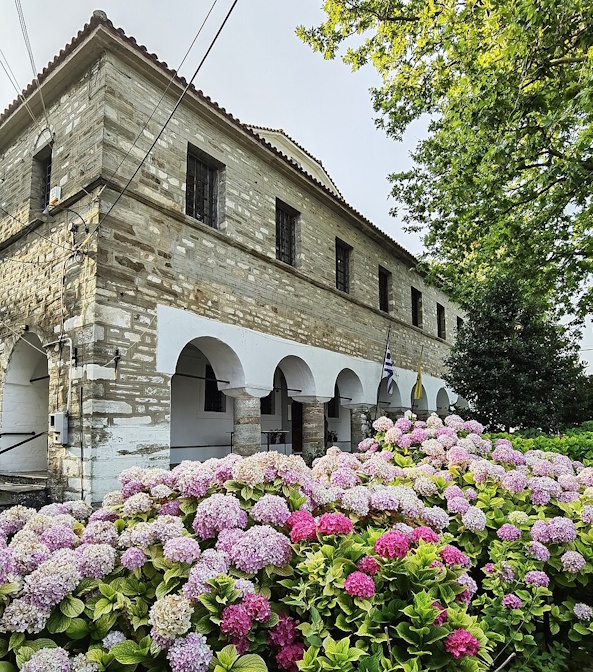
Left: Saint Nicholas (1885), Portaria, Pelion
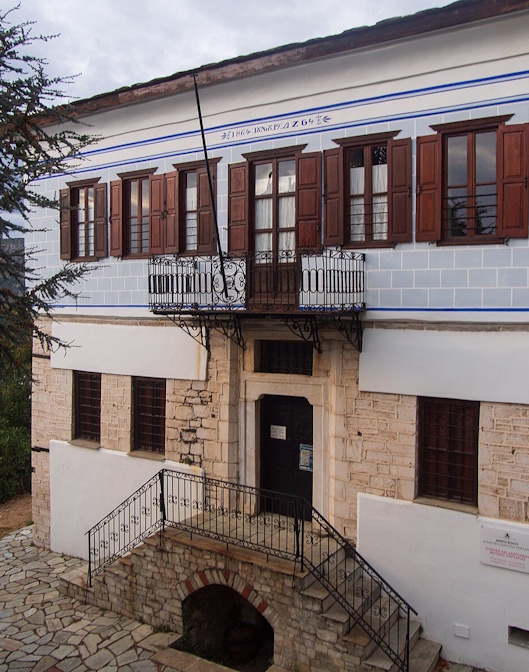
Right: The Dimos Zoulias Mansion (1864), which houses the Historical and Folklore Museum of Portaria.
Portaria was one of the key centers of the Thessalian Revolution of 1878. Following the liberation of Thessaly in 1881, it was incorporated into the Greek state and designated as the seat of the Municipality of Orminio. From 1912 to 1998, it served as the seat of a community, while in 1998 it became the seat of the expanded Municipality of Portaria. Since 2011, it has been administratively part of the Municipality of Volos. Today, Portaria—along with neighboring Makrinitsa—is designated as an area of outstanding natural beauty and a traditional settlement. Although many traditional houses were destroyed during the Occupation when Portaria was set ablaze, a number of late 19t/sup>h-century mansions have survived.
Today, it is a major tourist destination, as it lies just 12 kilometers from Volos, offers access to Aegean Sea beaches within 45 minutes, and is situated 13 kilometers from the Pelion ski center.
The Community of Portaria was established through the separation of the settlement of Portaria from the then Municipality of Orminio and its designation as the community seat (Government Gazette 262A – 31/08/1912). The Municipality of Portaria was established in 1997 and subsequently abolished in 2010 ("Kapodistrias" plan). The community comprises the following settlements (2021 census):
Left: The Kantartzis Mansion (1859), which has been converted into a hotel
Left: The bell tower of the Church of Saint Nicholas
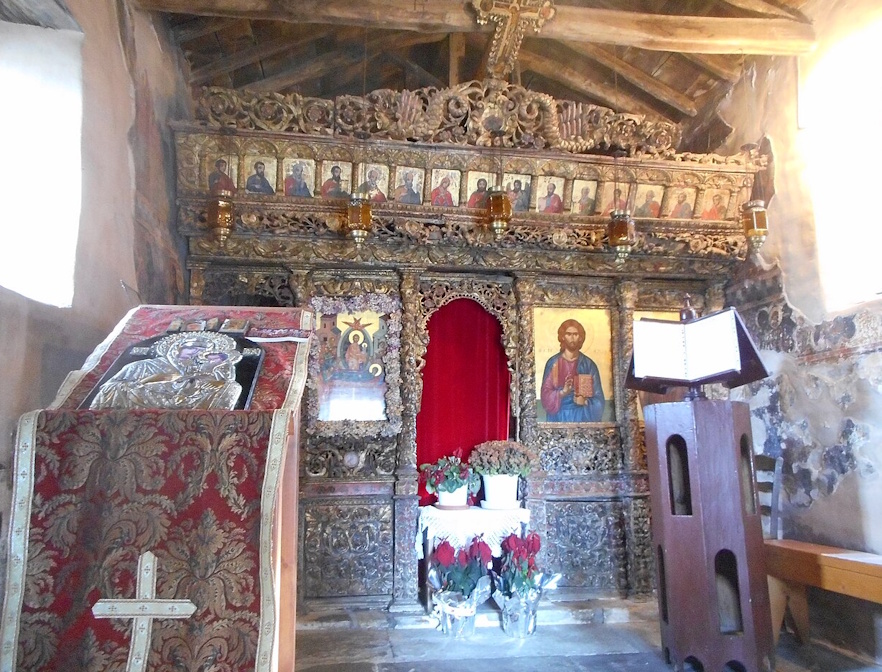
Left: Panagia Portarea (interior)
Administrative history
Following the incorporation of Thessaly, it is officially recorded as having been designated the seat of the Municipality of Orminio in 1883. In 1912, it was designated the seat of the newly established community of the same name. Under the Kallikratis Programme, it forms—together with Agia Paraskevi and Agios Ioannis—the Community of Portaria, which falls under the Municipal Unit of Portaria within the Municipality of Volos.
Portaria [488]
Agia Paraskevi [7]
Agios Ioannis [1]
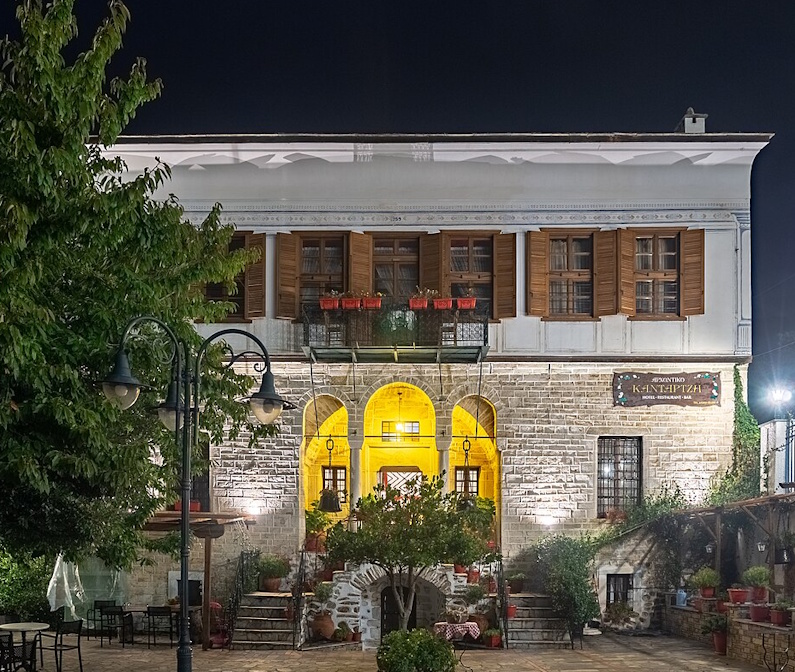
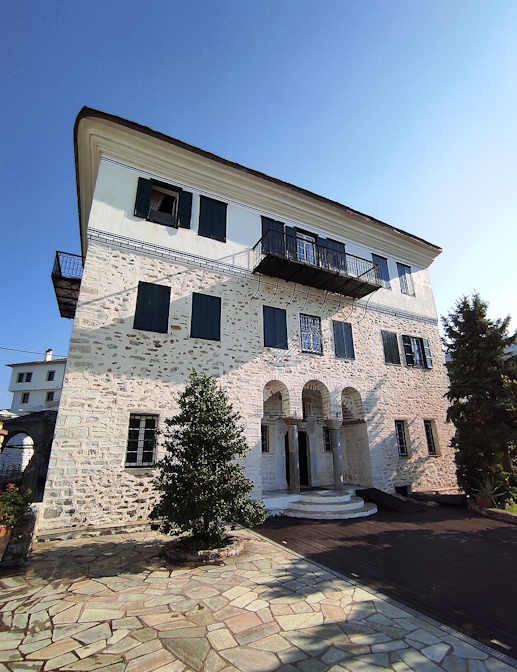
Right: Tsopotos Mansion (now Hotel "Despotiko"), Year of construction: 1857
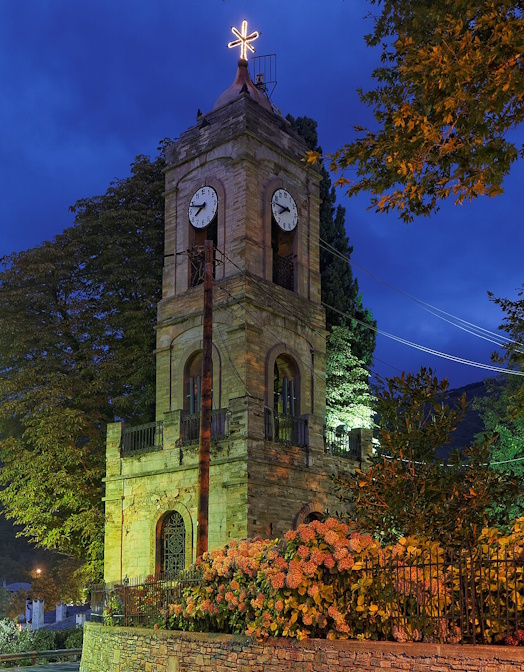
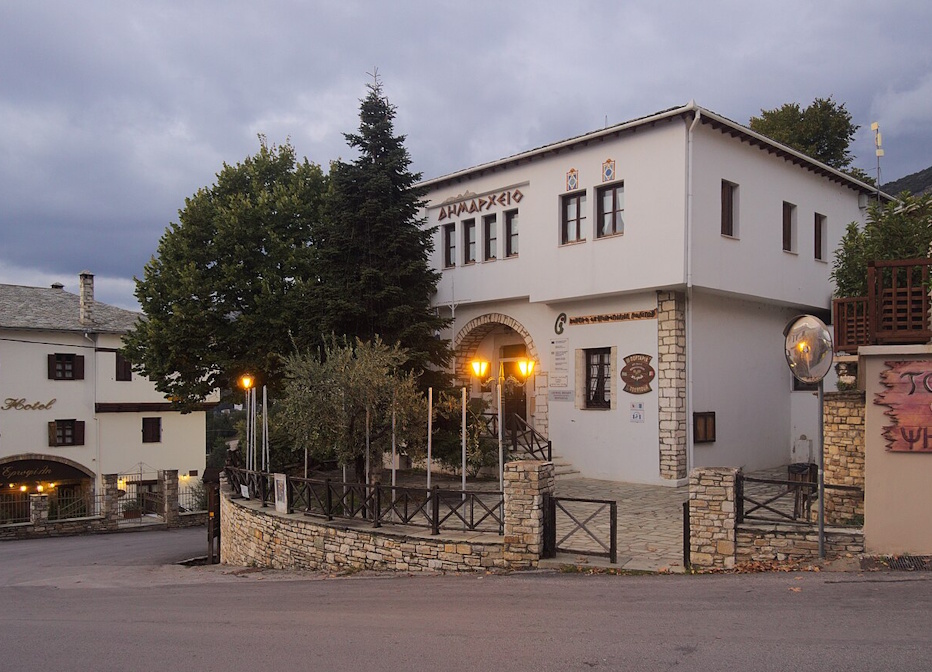
Right: The former Portaria Town Hall
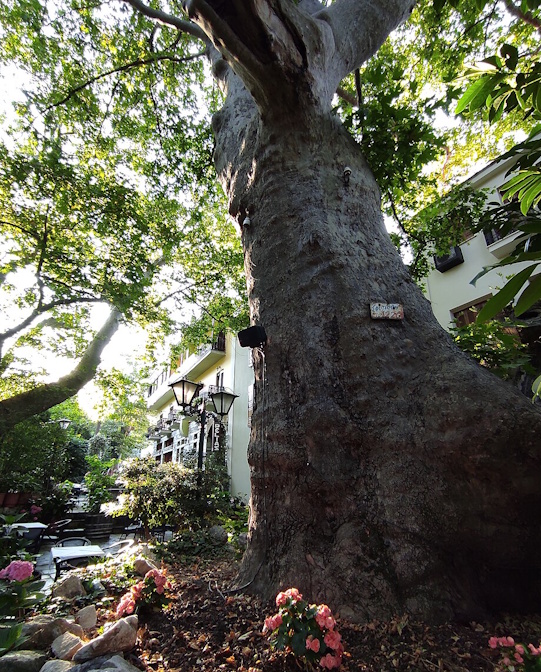
Right: Plane tree (dating from 1220), Portaria Square